Your First Crypto: What Beginners Should Know
Feeling overwhelmed? Start here
There are thousands of cryptocurrencies, and it is normal to feel lost at first. This workshop won’t tell you what to buy. Instead, it walks you through the questions worth asking before you buy anything, so that whatever you decide is your own, informed decision.
You will learn why starting small makes sense, what sets Bitcoin and Ethereum apart, why holding more than one coin can help, and why smaller coins carry bigger risks.
Start small
The crypto market is highly volatile: prices can rise or fall sharply within hours. Starting with a small amount lets you get used to how buying, selling and price swings feel, without putting a large part of your savings at risk.
Only use money you can afford to lose. That means money you won’t need for rent, bills or emergencies, even if its value falls a lot.
If you later want to put in more, do it gradually and only once you understand what you hold and why.
Quick check
Why do many beginners start with a small amount?
The two biggest names
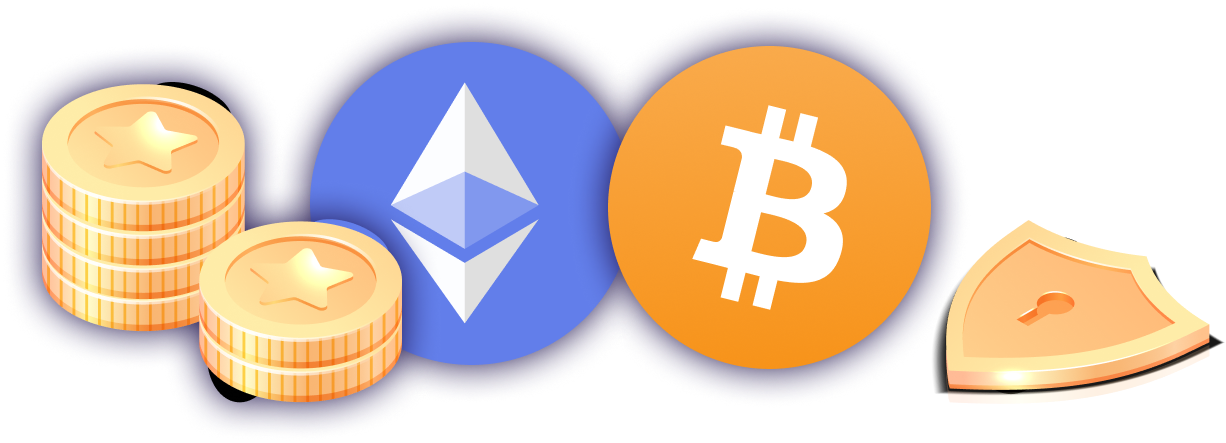
Bitcoin (BTC) was the first cryptocurrency and is still the largest. Some people call it “digital gold” because only 21 million bitcoins will ever exist.
Ethereum (ETH) has long been the second largest. Unlike Bitcoin, it is a platform that runs apps and smart contracts, and many other tokens are built on it.
Many beginners learn about these two first because they are the most widely used and have the longest history. That does not make them safe: both have lost more than half of their value more than once.
Quick check
Which two cryptocurrencies are the largest and most widely used?
More than one coin
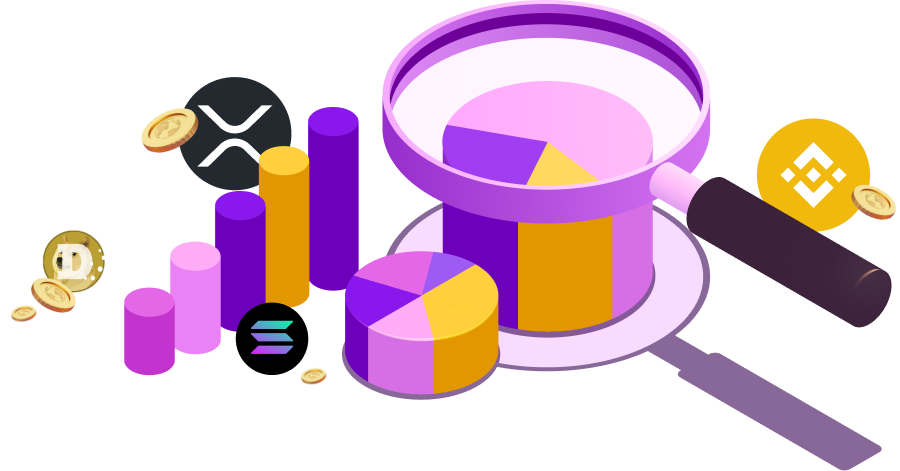
Holding more than one cryptocurrency can soften the blow if one of them falls sharply. Different coins are built for different purposes, so it helps to understand what a project does before you buy its coin.
Keep in mind that most cryptocurrencies tend to rise and fall together. Owning several does not protect you from a fall in the whole market. You can learn more in the workshop “Diversification: Spreading Your Risk”.
Quick check
What can holding more than one cryptocurrency do?
Smaller coins, bigger risks

Newer and smaller cryptocurrencies can rise quickly, but they can fall just as quickly. Many have lost almost all of their value or disappeared altogether, and they are often harder to sell when the market is falling.
Be especially careful with coins that are pushed hard on social media or come with promises of quick profits. Hype is not a reason to buy.
If you look at a smaller coin, read about the project, who is behind it and how widely it is used, and keep an eye on how much of your money is in it.
In the end, the decision is yours. A simple plan, such as “how much I am willing to put in, and why”, helps you stay calm when prices move.
Quick check
Before buying a coin you have never heard of, what is a sensible first step?
Key takeaways
- Start small and only use money you can afford to lose.
- Bitcoin and Ethereum are the largest and best-known cryptocurrencies, and they are still volatile.
- Holding more than one coin can soften a fall in one of them, but not a fall in the whole market.
- Smaller coins usually carry bigger risks.
- Understand what you buy, and why, before you buy it.
Crypto prices can rise and fall sharply, and you could lose some or all of the money you put in.
Lesson complete!
0 / 4
That's the first chapter. Continue this course — and unlock the rest — in the Rumos app.